October 09, 2026




Every valley town has one: the garage where the good tools live. The floor jack, the post-hole digger, the tile saw that got used for one bathroom remodel and then went quiet. The rest of us borrow from that neighbor, bring things back late, and hope nobody notices the missing chuck key.
A tool-lending library turns that informal arrangement into something sturdier — a shelf, a clipboard, a set of rules everyone agreed to. Tools sit idle most of their lives. Spread that idle time across forty households and fewer people have to buy a two-hundred-dollar machine for a one-afternoon job. In a town an hour from the nearest big-box store, the math gets better still.
Don't announce a tool library to the whole valley and then work out the details. Start with five to eight households you trust. Invite them to a kitchen table or the grange hall with one request: bring a list of tools you own and would be willing to lend.
That first meeting does three things. It tests whether the interest is real, it produces a starter inventory, and it reveals the two or three people who genuinely want to run the thing. A library with forty members and no steward falls apart in a season.
Leave the meeting with a one-page purpose statement, plain enough to settle arguments later.
The Cedar Hollow Tool Library lends shared tools to neighbors, keeps them in working order, and asks members to return them clean, fueled, and on time.
You need a lock, a roof, ground-level access, and a location people will actually drive to on a Tuesday. A church basement, a corner of the grange hall, an unused bay in a member's shop, or a storage unit behind the feed store all work.
Moisture and stairs are what kill tool libraries. Rust ruins a table saw faster than use does, and nobody wants to haul a log splitter up a flight of steps. Look for a concrete floor, some ventilation, and a ramp or a low threshold. Trade space instead of renting it when you can — offer the host organization free memberships or first claim on the equipment.
Ask what people borrow, not what they own. The reliable core of a valley tool library tends to look like this:
Gas chainsaws and log splitters are where groups disagree. Blade injuries and engine maintenance put them in a different category of risk. Holding off for a year and then adding them with a required orientation is a reasonable path.
Say no to broken donations. A dead string trimmer costs a volunteer a Saturday and teaches new members that the library is where junk goes to rest.
A spreadsheet is enough at the start, and a free library-management tool works if someone in the group enjoys that sort of thing. Whichever you choose, track the same fields:
Mark every item so it can be identified from across the shed: metal tags, a paint pen on the handle, engraved initials. Photograph each tool on a clean background, including a shot of everything that goes with it. That picture ends most disputes about what was in the case. Bundle the fiddly parts, too. A biscuit joiner without its wrenches is a paperweight.
Keep the member agreement to one page and read it out loud at sign-up. It should cover roughly this ground:
Then staff it. Two open hours a week and one Saturday morning a month is plenty for a town of a few hundred. Put a sign-up sheet online so the same three people aren't always the ones giving up their Thursday evening.
This is the part that stops most groups, and it deserves a real answer rather than a shrug. Coverage varies enormously by policy and by state or province, so treat the following as questions to ask, not as advice.
Ask each member's homeowners or renters insurer whether tools are covered while borrowed or lent away from home, and what the limits are. Ask a licensed insurance broker about a rider, a standalone policy, or coverage written for a volunteer organization. If a church, grange, or neighborhood association hosts you, ask whether their policy can extend to the library. Waivers reduce risk but do not erase it, so have an attorney review your member agreement and waiver once. If you're weighing whether to incorporate as a nonprofit, ask a lawyer or accountant about your specific situation before you file anything.
On the day-to-day side, record who has what, keep a written damage log, and post the rules where members check out. Most disputes end when the paperwork is boring and complete.
Schedule two maintenance days a year. Sharpen, oil, replace worn cords, test anything with a motor, and retire whatever has become a hazard. Track what actually circulates and let the rest go — a shelf of unloved tools is just clutter with a barcode.
Give the calendar something social, too. A spring sharpening day where members bring their own pruners and mowers, with coffee and pancakes on the side, keeps people involved better than any newsletter.
The short version of everything above:
The first Saturday will feel small. Someone borrows a ladder, someone returns a drain snake two days late, and one person asks whether you have a cider press. Write that down. It's your next donation request — and it's how a shed full of borrowed tools becomes a
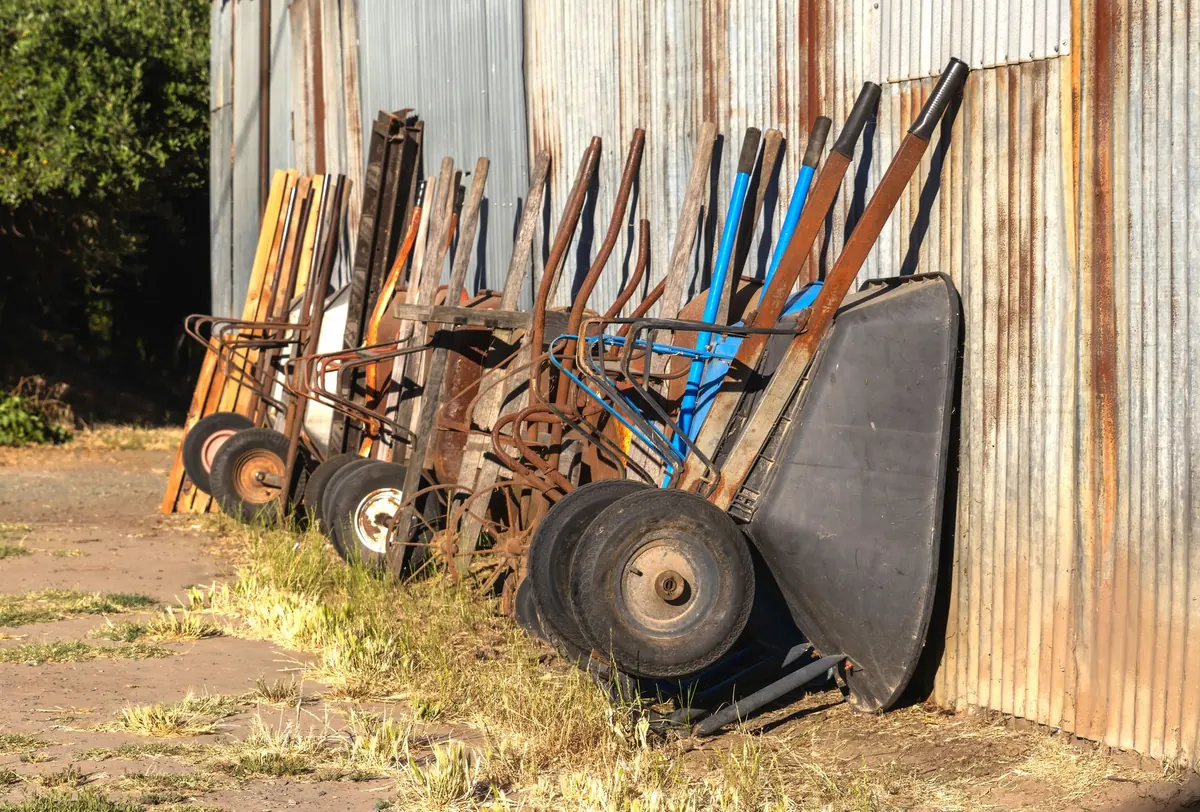
Photo: Robert So / Pexels
Stories and insights from the valley.
Copyright © 2026 Vale Column. All rights reserved. Vale Column.