October 09, 2026


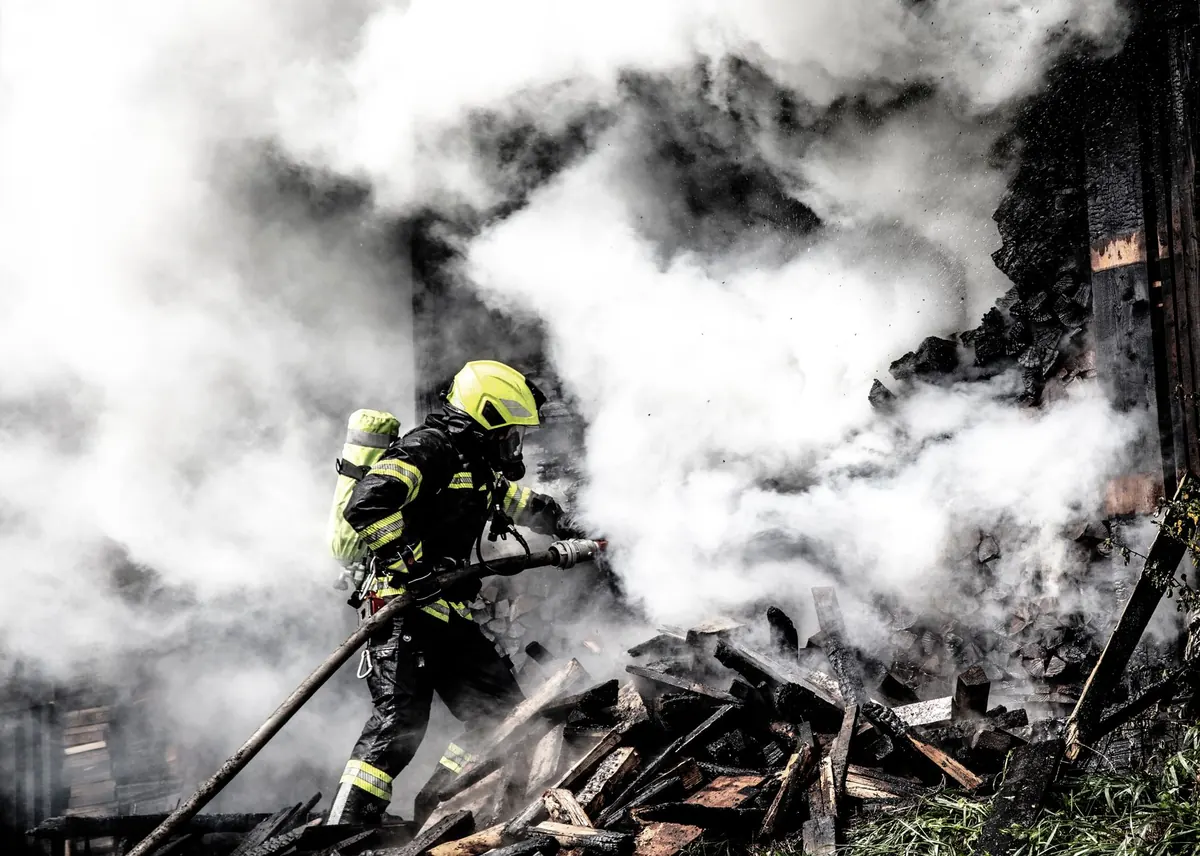
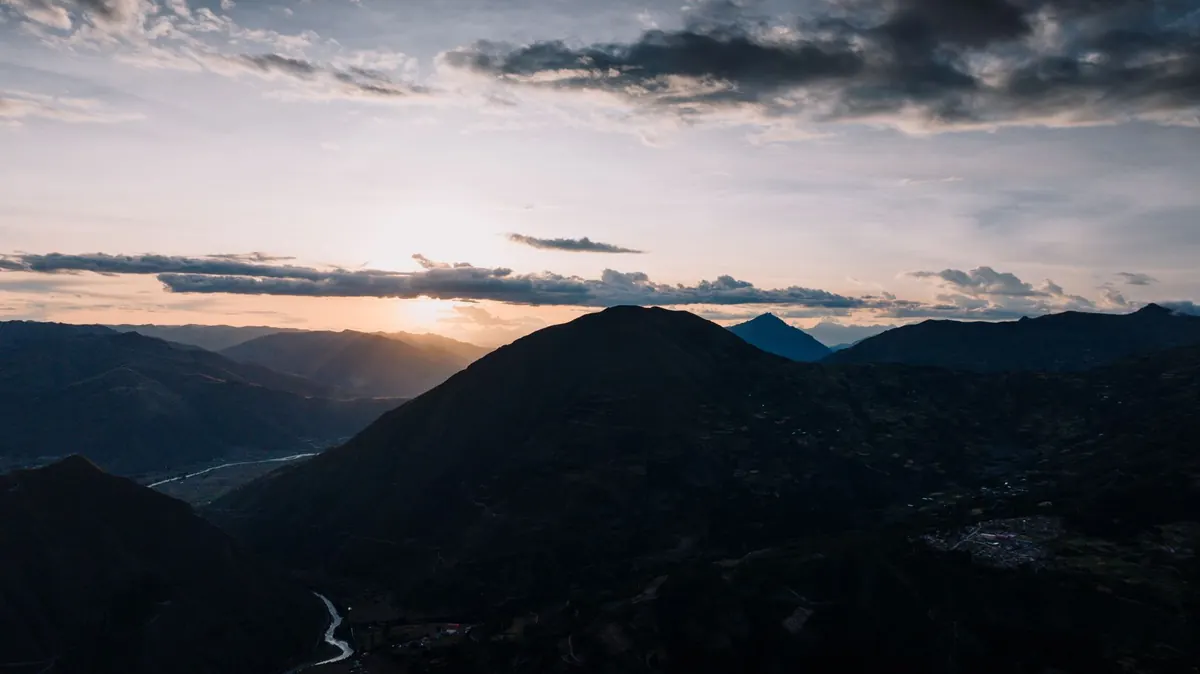
A valley park in early summer can serve you three kinds of weather before lunch. The morning is cool and still, the wind picks up along the ridge by eleven, and by two o'clock the clouds on the far side of the valley are deciding whether to commit. The picnic itself is easy. Being ready for all of it in one bag is the part worth practicing.
Where you sit matters more than what you carry. Before anyone spreads a blanket, answer three questions. Where is the nearest roofed shelter? How long does it take to walk back to the car? Which way is the wind coming from?
Pick a spot within a short walk of a pavilion, bandshell, or bathhouse, and set up near the edge of the shade rather than deep under the trees. If thunderstorms are anywhere in the forecast, remember that an isolated tall tree is one of the worst places to wait one out; a hard-topped vehicle or a building is better. Check the radar once before you leave the house and once while you eat. A few seconds of screen time saves a lot of scrambling.
Most rain-related picnic disasters are packing problems, not weather problems. Build one kit that never gets unpacked into the pantry, then add food fresh each time. A single tote bag plus a small daypack holds everything below:
Buy the tarp and set it up once in the yard before you need it. Practicing in calm weather is how you learn your own knots; learning them in a downpour is how you learn to swear.
Coolers work on one rule: keep cold food cold, and don't let it sit in the warm zone. Pack a hard-sided cooler with block ice or frozen water bottles rather than loose cubes, which melt fast and soak everything. Use a separate cooler, or none at all, for drinks that people will open twenty times.
Perishable food should not sit out more than about two hours, and that window drops to one hour once the temperature climbs past 90°F. In a valley park on a hot afternoon, that happens sooner than most people expect. Serve from the cooler, take what you will eat, then close the lid. Keep it in shade, off hot pavement, and covered with a towel.
Some foods travel better than others. Whole fruit with a skin, hard cheese, crackers, bread, nut butter, jerky, and sturdy vegetables handle a warm afternoon gracefully. Mayonnaise-heavy salads, cut melon, and anything with raw meat or eggs are a gamble. When in doubt, throw it out; a spoiled lunch is not worth the rest of your day. If someone in your group is pregnant, older, or has a weakened immune system, be stricter about it, and check with a health professional if you are unsure.
Speed beats elegance. Three options cover almost every situation.
Tie a ridgeline between two trees, or between a tree and a trekking pole, at roughly head height. Drape the tarp over it, stake the corners, and pull one side lower so water runs off instead of pooling. Angle the low side into the wind. If there is nothing to tie to, stake the tarp at ground level on the windward side and lift the other edge with poles or sticks.
One person can raise a ten-by-ten canopy alone in about a minute. Weight the legs with water jugs, sandbags, or full coolers, because an empty canopy in a gust becomes a kite. Drop the legs a notch when the wind rises.
If you hear thunder, stop setting up and get to a building or a hard-topped vehicle. A picnic table under a wooden shelter handles drizzle fine; it is not protection from lightning. Wait about thirty minutes after the last thunder before returning.
Drizzle is a comfort problem. Lightning is a safety problem. Treat them differently.
In valley parks the wind often arrives first and the rain a few minutes later, which is why a shell that blocks wind matters more than one that advertises itself as waterproof. Dress in layers you can peel: a wicking base layer, a light insulating layer, and a shell on top. Cotton holds water and chills you; wool and synthetics dry.
Footwear gets overlooked. Strappy sandals with a heel strap drain and dry faster than sneakers, but if you plan to walk any distance, wear shoes that grip wet grass and bring the dry socks from your kit. Cold, wet feet end a picnic faster than a passing shower does.
When the sky turns, don't panic-organize. Give everyone a job: one person folds the tarp wet-side-in, one gathers dishes, one bags trash, one carries the kids' things to the car. Wet gear goes into its own trash bag so it doesn't soak the dry kit. Pour the cooler water out at the site rather than in your trunk, and check the grass for napkins, bottle caps, and hair ties. Parks notice.
At home, hang the tarp and towels to dry before they go back in the bag. Mold is the reason a kit that worked in June smells wrong in August.
The best rain-ready kit is the one you don't have to think about. Restock it the same evening you use it, tape a short list inside the lid of the tote, and leave the food out of it until the morning you go. Add ice, sandwiches, and fruit on your way out the door.
That is the whole trick. When the gear is already packed, an uncertain forecast stops being a reason to stay home and becomes a mild inconvenience you can plan around. Valley weather changes its mind. Your picnic doesn't have to.
Photo: Jan van der Wolf / Pexels
Stories and insights from the valley.
Copyright © 2026 Vale Column. All rights reserved. Vale Column.