October 09, 2026



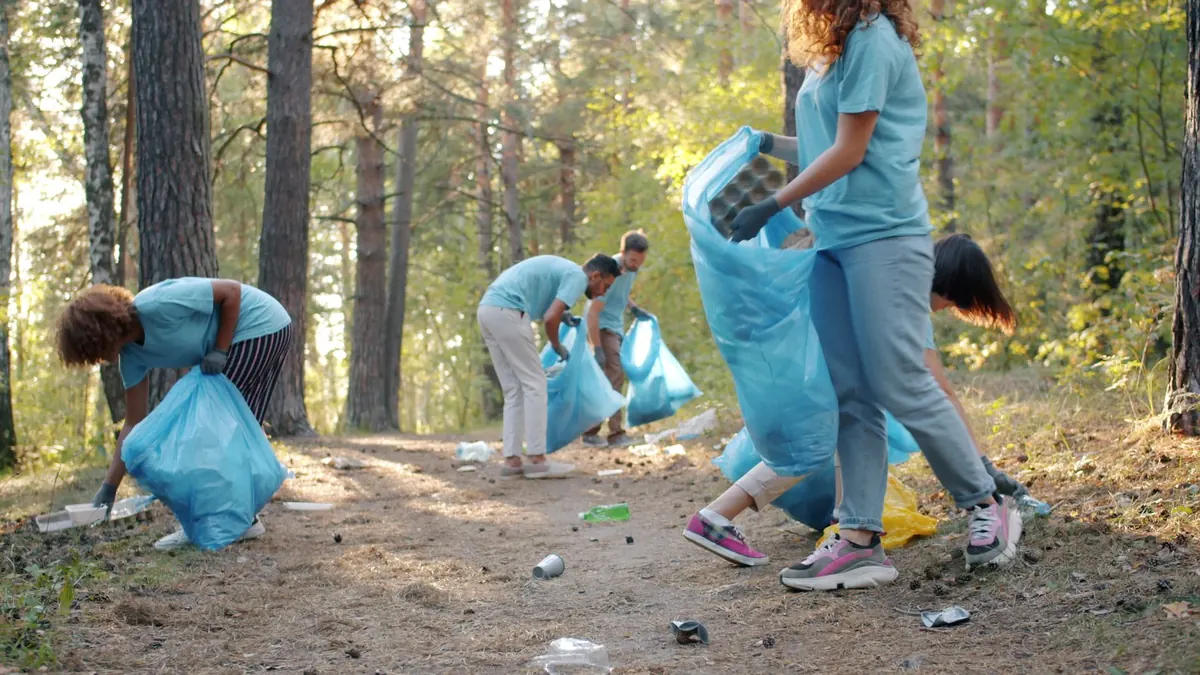
A creek cleanup looks simple from the outside. Show up, pick up trash, go home. Anyone who has actually run one knows the real work happens in the three weeks before, when you figure out where twenty people will park, who owns the bank you want to walk on, and how you'll drag a waterlogged mattress out of a blackberry thicket. The creeks that run through our valleys are generous places, but they are also narrow, brushy, seasonal, and frequently bordered by somebody else's land. Plan for those realities and the morning becomes the kind people ask to come back for.
A creek that runs twelve miles through the valley is not your project. A creek that runs three hundred yards past a trailhead is. Pick a stretch with a bridge, a park, or a footpath at one end and an obvious place to stage tools at the other. Public access matters more than scenic beauty; you want volunteers carrying buckets, not climbing fences.
Walk the reach yourself before you commit. Take notes on the things that will shape the day: steep banks, poison oak, blackberry tangles, culverts, low farm fencing, a spot where the water is deeper than it looks. If a landowner has cows upstream, expect more debris and softer ground. Late summer and early fall usually give you low flows and exposed trash, while spring runoff can turn a gentle creek into something you should not wade into at all. Set a rain date and tell everyone what it is.
Start with whoever manages the creek or the land beside it: the city or county parks department, public works, a water district, a land trust. Many jurisdictions require a permit or at least advance notice for volunteer work near waterways, and some prohibit doing anything inside the channel. Ask specifically whether you can remove natural debris like logjams and fallen branches. Often you cannot, and that is fine. Woody debris is habitat, not trash.
If any part of your route crosses private land, ask the owner in person, well ahead of time. Bring a specific proposal: the date, the hours, how many people, what you intend to remove, and where you will leave it for pickup. In agricultural areas, irrigation districts and ditch companies have their own rules about access, and some worry about spreading noxious weeds from one site to another. Clean your boots and tools between locations.
Permitting rules vary enormously from one valley to the next. Confirm the details with your local jurisdiction rather than assuming what applied somewhere else applies here.
Give the safety talk out loud to the whole group, every time, even when it feels obvious. Then repeat the short version at each zone.
Watch for heat and dehydration on warm afternoons, and call the day early if a storm is moving in. A creek rises faster than people expect.
People say yes to a clear commitment. Three hours, a named meeting spot, tools provided, coffee and food at the end. They say no to "come help out sometime."
Post where valley people already gather: neighborhood email lists, the library bulletin board, the feed store, trail and watershed groups, a land trust newsletter, school service-hour coordinators, scout troops, college clubs, and local businesses that want a team volunteer day. A printed flyer at the trailhead still works. So does asking five people directly to each bring two friends.
Every notice should include the date and rain date, the meeting location with parking notes, start and end times, what to wear, what you provide, whether children are welcome with an adult, and a simple way to sign up. Ask for group size and whether anyone drives a truck or has a trailer hitch. That last question saves you later.
Assign roles before anyone arrives. A greeter to sign people in. Someone at the tool station. One team lead for each zone so groups do not all pile into the same bend. A floater who handles problems and refills water. Someone who stays at the staging area with the first aid kit. One person taking photos, because you will want them for the next cleanup.
The rhythm that works: fifteen minutes for sign-in and the safety talk, two hours of work, a snack and water break at the halfway point, one more push, then lunch. Have the debris plan settled. Which items go to the curb, which go in a dumpster, which get hauled by a truck, and who is picking up what. Coordinate with public works in advance so you do not build a pile nobody collects. Keep metal separate for a scrapyard, and check whether your county holds a tire amnesty day, since tires are a category of their own.
After the trucks leave, write down what you found and where. A recurring dump site behind the same barn tells you more than any general survey. Thank the landowners who let you cross their property, and thank volunteers by name in a short follow-up message.
Then set the next date before the momentum fades, even loosely. If your creek has a bigger problem than litter, an eroding bank, a leaking outfall, a culvert that floods the trail every spring, pass it to your watershed council or public works. A cleanup is a good opening for that conversation, and often the reason anyone listens.
Photo: Vitaly Gariev / Pexels

Stories and insights from the valley.
Copyright © 2026 Vale Column. All rights reserved. Vale Column.